Extrusion
SILICONE EXTRUSION
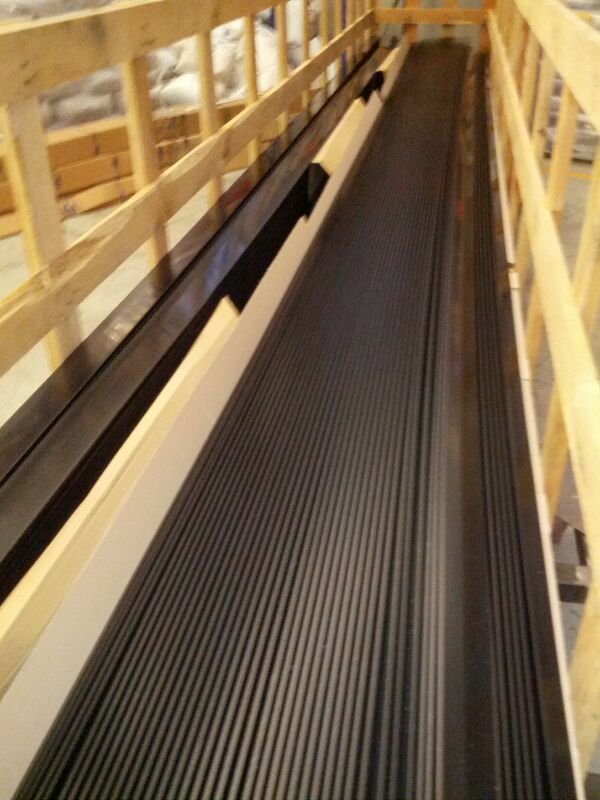
GMP Engineering specialises in silicone extrusion for the production of technical seals, compact and expanded extruded and co-extruded profiles, and high-performance components for the industrial, construction and transportation industries.
Silicone rubber is undoubtedly the most highly regarded material in the world of extrusion, thanks to its exceptional resistance to high and low temperatures, ageing, UV radiation and a wide range of chemical agents.
These properties make it ideal for high-performance applications that require long-term reliability, excellent elastic properties and superior sealing performance, even under very demanding operating conditions.
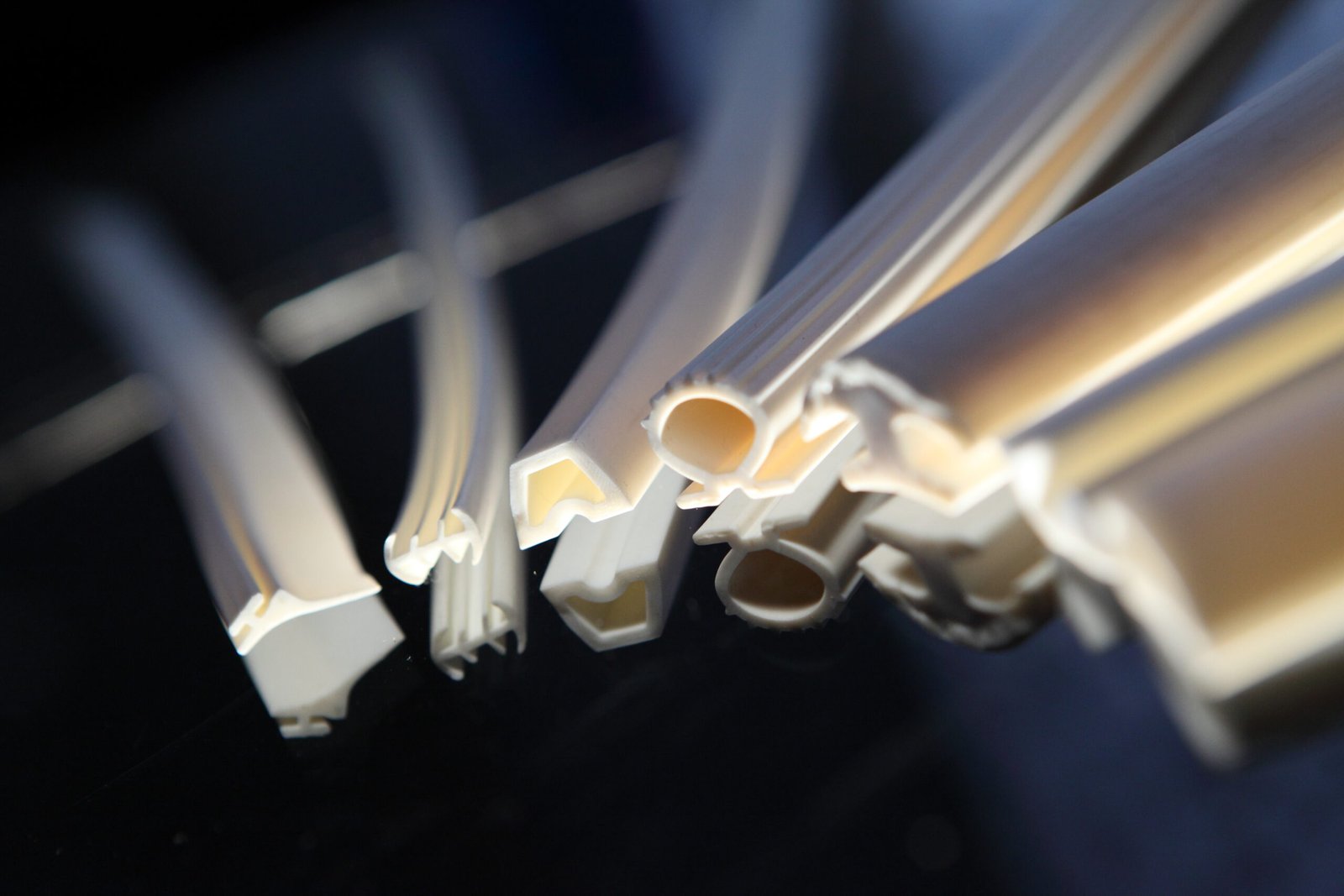
DEPENDING ON THE COMPOUNDS USED, ITS PROPERTIES INCLUDE:
• Excellent resistance to UV radiation and oxidation
• Excellent long-term durability
• Excellent weather resistance
• Perfect colourability and outstanding colour stability
• High transparency
• Very high compression set and excellent resistance to permanent deformation
• Antibacterial and FDA-compliant (food contact)
• Self-extinguishing (UL 94V0)
• Excellent dielectric properties
• Operating temperature: -70°C to +300°C
• Heat-weldable with straight or angled vulcanised joints
• Odourless and tasteless
• Acoustic, thermal, electrical and mechanical (vibration) insulation
• Excellent long-term durability
• Excellent weather resistance
• Perfect colourability and outstanding colour stability
• High transparency
• Very high compression set and excellent resistance to permanent deformation
• Antibacterial and FDA-compliant (food contact)
• Self-extinguishing (UL 94V0)
• Excellent dielectric properties
• Operating temperature: -70°C to +300°C
• Heat-weldable with straight or angled vulcanised joints
• Odourless and tasteless
• Acoustic, thermal, electrical and mechanical (vibration) insulation
APPLICATIONS
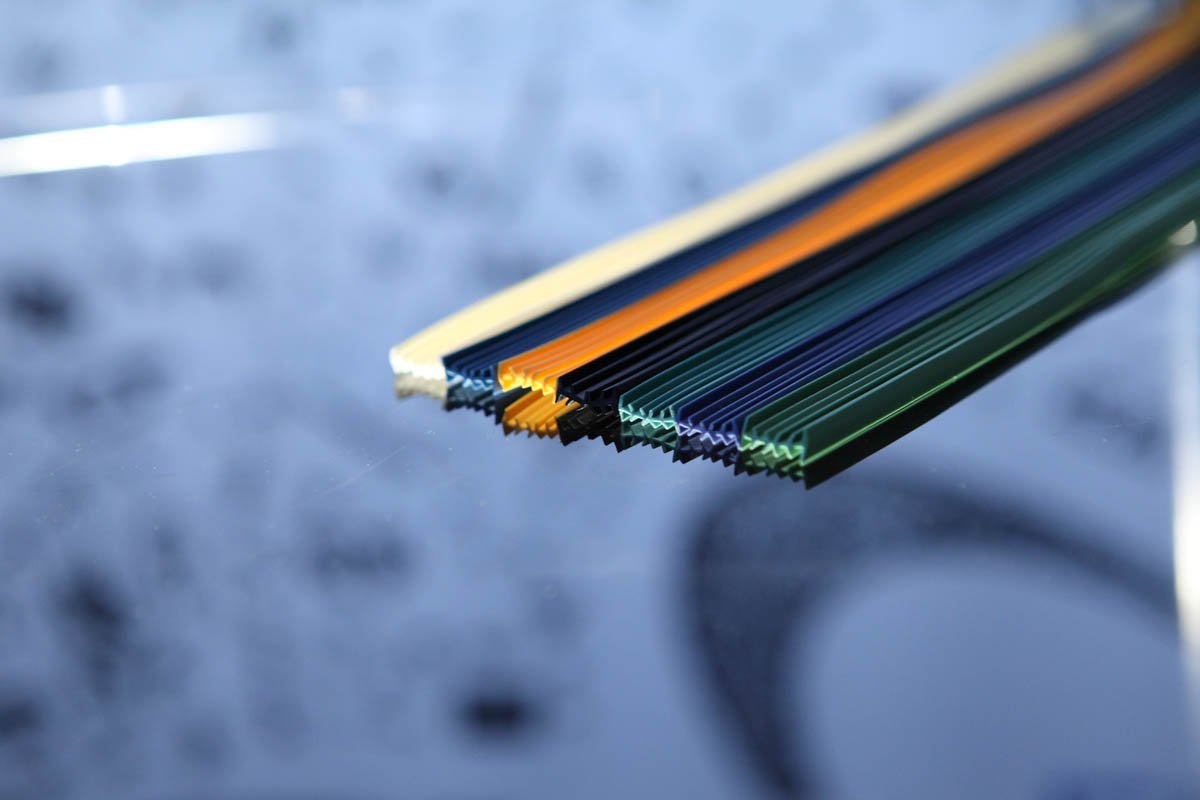
We use silicone rubber to produce high-quality soft seals that are ideal for both technical applications and demanding aesthetic requirements. This material can WITHSTAND TEMPERATURES OF UP TO 350°C , while retaining its elasticity, sealing properties and dimensional stability over time.
Thanks to its excellent properties, silicone rubber is widely used in the industrial sector and is increasingly employed in high-end architectural fixtures. It can be formulated in conductive or insulating versions, magnetised, made hydrophobic, and customised with special colours, including chrome and pearl effects, to meet the most demanding aesthetic specifications.
EPDM EXTRUSION
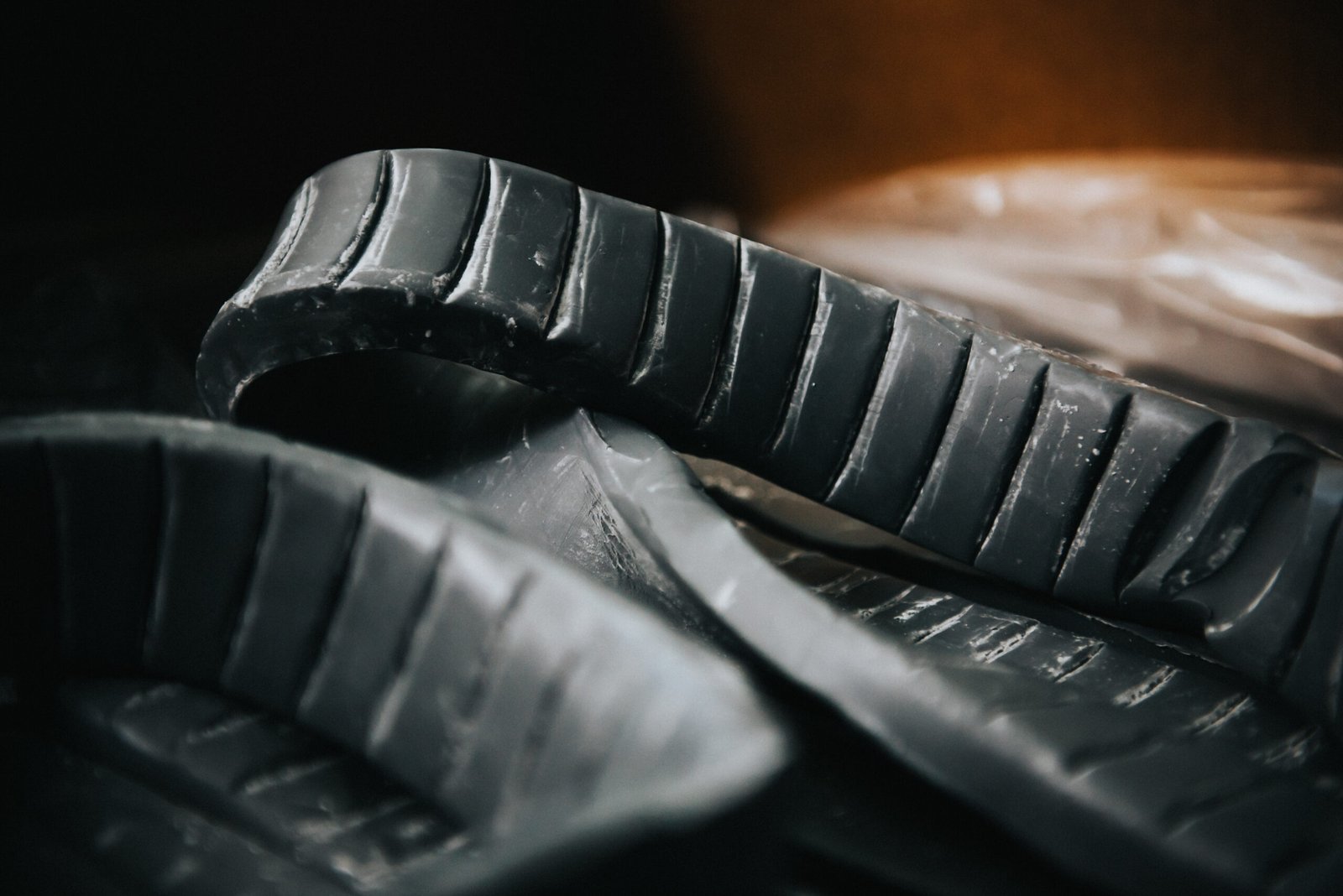
GMP Engineering specialises in the extrusion of EPDM for the production of technical gaskets, compact and expanded extruded and co-extruded profiles, and high-performance components for the construction, industrial and automotive industries.
EPDM (ethylene-propylene terpolymer) is an elastomeric compound with an outstanding range of properties: it is elastic, waterproof, and offers long-term safety and reliability. It stands out for its excellent resistance to weathering, ozone, UV radiation and numerous chemical agents, without deforming or cracking.
These properties make extruded EPDM profiles the ideal solution for all applications where high sealing performance, durability and dimensional stability are required, such as windows and doors, curtain walls, industrial doors, commercial vehicles and industrial plants.
Drawing on our expertise in materials and processes, we design and manufacture custom EPDM seals, optimised for the specific application and integrated into the customer's systems.
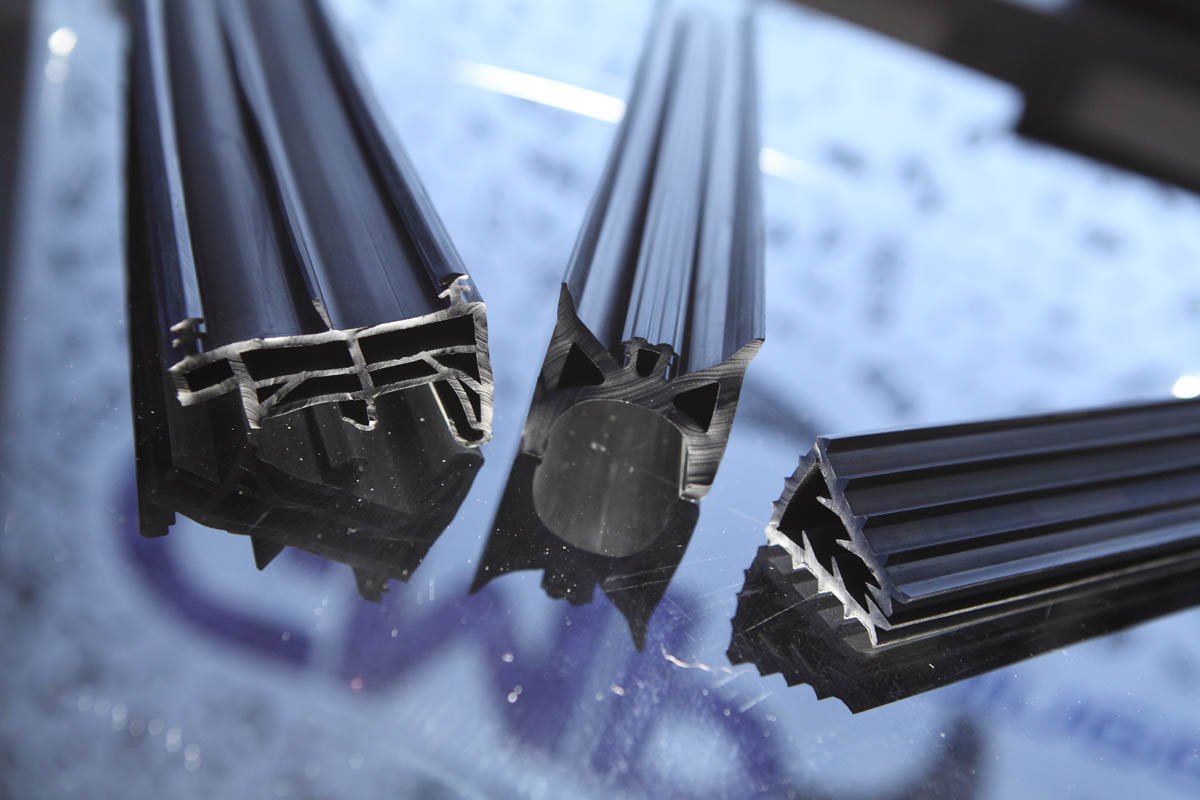
EPDM RUBBER OFFERS:
• Excellent resistance to heat and UV radiation
• Excellent long-term durability
• Excellent weathering resistance
• High compression set
• Good abrasion resistance
• High resistance to permanent deformation
• Heat-weldable with straight or angled vulcanised joints
• Standard operating temperature: -40°C to +90°C
• Good resistance to water and glycols, aggressive chemicals and oxidation
• Excellent resistance to steam up to 150°C
• Acoustic, thermal, electrical and mechanical (vibration) insulation
• Excellent long-term durability
• Excellent weathering resistance
• High compression set
• Good abrasion resistance
• High resistance to permanent deformation
• Heat-weldable with straight or angled vulcanised joints
• Standard operating temperature: -40°C to +90°C
• Good resistance to water and glycols, aggressive chemicals and oxidation
• Excellent resistance to steam up to 150°C
• Acoustic, thermal, electrical and mechanical (vibration) insulation
APPLICATIONS
GMP Engineering’s extruded and co-extruded EPDM profiles are used in a wide range of industrial sectors thanks to their excellent dimensional stability and their ability to maintain their hardness and physico-chemical properties over time.
They are particularly used in the transport and construction sectors, for:
Interior and exterior doors and windows
Curtain walls and architectural glazing
Industrial doors and special access systems
Dryers, booths and industrial processing plants
and in all applications where high strength, elasticity and durability under demanding conditions are required.
EPDM is chosen for its verified technical properties:
• Impact strength: 40–60%
• Elongation at break: 150–500%
• Heat resistance: When correctly formulated, peroxide-cured EPDM vulcanisates can withstand hot water and steam at 110°C for prolonged periods without any significant loss of performance
• Low-temperature resistance: down to approximately -50 °C
• Gas permeability: High,(not recommended as a gas barrier material)
EPDM is chosen for its verified technical properties:
• Impact strength: 40–60%
• Elongation at break: 150–500%
• Heat resistance: When correctly formulated, peroxide-cured EPDM vulcanisates can withstand hot water and steam at 110°C for prolonged periods without any significant loss of performance
• Low-temperature resistance: down to approximately -50 °C
• Gas permeability: High,(not recommended as a gas barrier material)
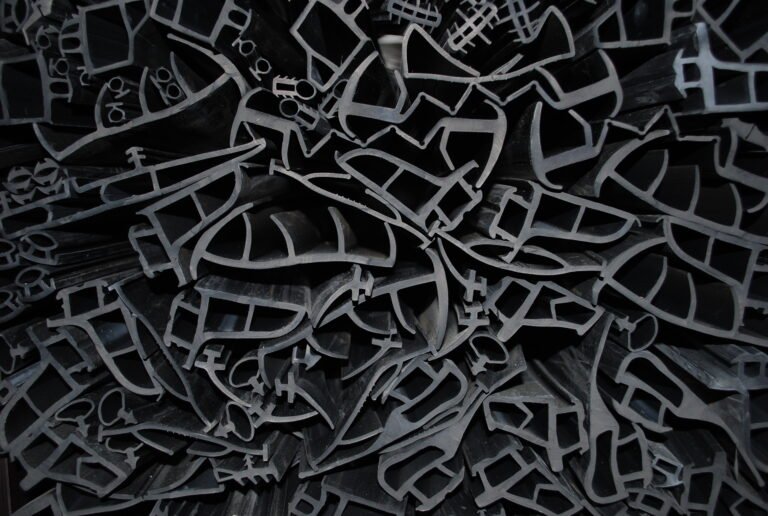
NBR EXTRUSION
NBR (Nitrile Rubber) is a copolymer of butadiene and acrylonitrile. It is the material of choice when resistance to hydrocarbons is the primary requirement, where EPDM would fail completely.
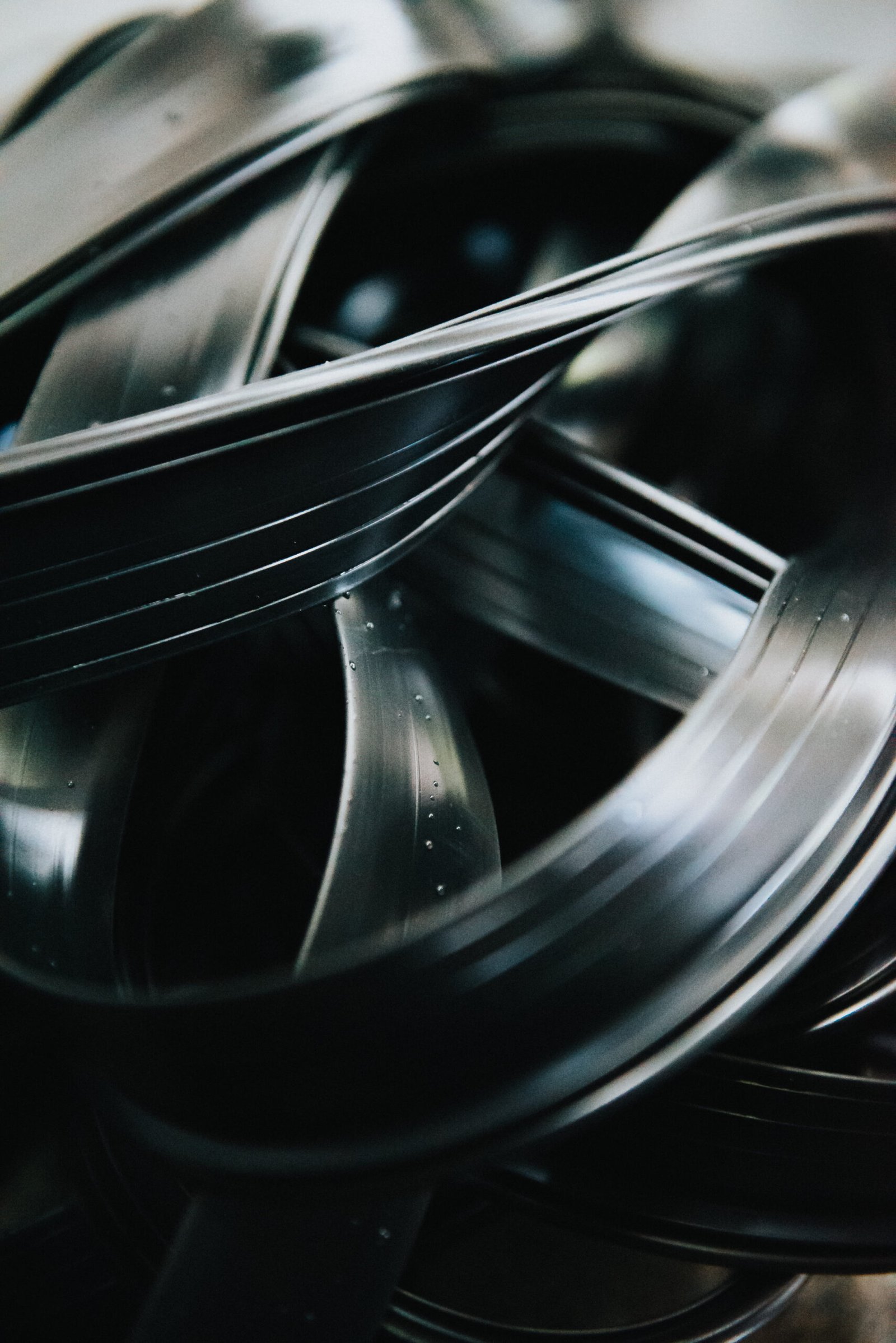
NBR RUBBER OFFERS:
• Excellent resistance to oils and greases: both mineral and vegetable.
• Excellent resistance to fuels: petrol, diesel and aliphatic solvents.
• Good mechanical properties: high tensile and compressive strength.
• Low gas permeability: superior to that of EPDM and natural rubber.
• High abrasion resistance: superior to many standard elastomers.
• Thermal resistance: Good stability, typically lower than that of peroxide-cured EPDMs.
• Operating temperature: typically, between -30°C and +110°C (with peaks up to +120°C).
• Impermeability: Excellent barrier against water and hydraulic fluids.
• Excellent resistance to fuels: petrol, diesel and aliphatic solvents.
• Good mechanical properties: high tensile and compressive strength.
• Low gas permeability: superior to that of EPDM and natural rubber.
• High abrasion resistance: superior to many standard elastomers.
• Thermal resistance: Good stability, typically lower than that of peroxide-cured EPDMs.
• Operating temperature: typically, between -30°C and +110°C (with peaks up to +120°C).
• Impermeability: Excellent barrier against water and hydraulic fluids.
FIELDS OF APPLICATION
NBR products are essential in environments where there is constant contact with oily or chemical substances. Unlike EPDM, standard NBR undergoes degradation if exposed to ozone or UV radiation for a prolonged period; therefore, its applications are often "under the bonnet" or in closed hydraulic circuits.
Specifically, our products are engineered for the following industries:
• Automotive: fuel hoses, oil seals, engine gaskets.
• Industrial: printing rollers, conveyor belts for oily materials, hydraulic hoses.
• Hydraulics & Pneumatics: sealing rings, O-rings and diaphragms.
• Food industry: (available in specific certified compounds) for contact with edible oils and animal fats.
Specific technical characteristics:
• Hydrocarbon resistance: The acrylonitrile (ACN) content determines the resistance; the higher the ACN content, the less swelling occurs on contact with oils.
• Elongation at break: 200% to 600%.
• Heat resistance: Good stability up to 100°C–110°C when immersed in oil; in air, it tends to harden more quickly than EPDM.
• Low-temperature resistance: down to around -20°C / -30°C (special compounds can withstand temperatures as low as -40°C, but with a slight trade-off in oil resistance).
• Weather resistance: Limited; NBR is susceptible to damage from exposure to ozone and sunlight unless it is reinforced with PVC or specific protective additives.
Specifically, our products are engineered for the following industries:
• Automotive: fuel hoses, oil seals, engine gaskets.
• Industrial: printing rollers, conveyor belts for oily materials, hydraulic hoses.
• Hydraulics & Pneumatics: sealing rings, O-rings and diaphragms.
• Food industry: (available in specific certified compounds) for contact with edible oils and animal fats.
Specific technical characteristics:
• Hydrocarbon resistance: The acrylonitrile (ACN) content determines the resistance; the higher the ACN content, the less swelling occurs on contact with oils.
• Elongation at break: 200% to 600%.
• Heat resistance: Good stability up to 100°C–110°C when immersed in oil; in air, it tends to harden more quickly than EPDM.
• Low-temperature resistance: down to around -20°C / -30°C (special compounds can withstand temperatures as low as -40°C, but with a slight trade-off in oil resistance).
• Weather resistance: Limited; NBR is susceptible to damage from exposure to ozone and sunlight unless it is reinforced with PVC or specific protective additives.
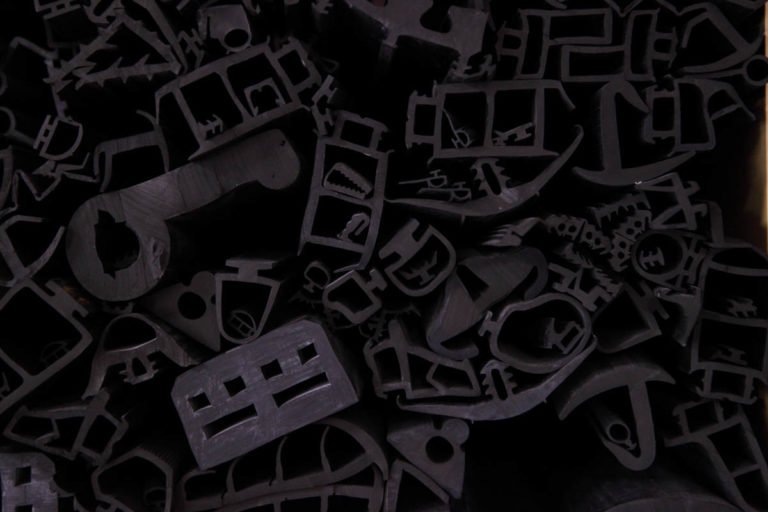
EXTRUSION THERMOPLASTICS & PLASTICS
Plastics: properties, advantages and industrial applications
Plastics are engineering polymers which, when combined with additives and fillers, optimise mechanical, thermal and aesthetic performance while reducing costs. Thanks to their high versatility, they are suitable for extrusion, moulding and complex machining processes, making them ideal for a wide range of industrial and technical applications.
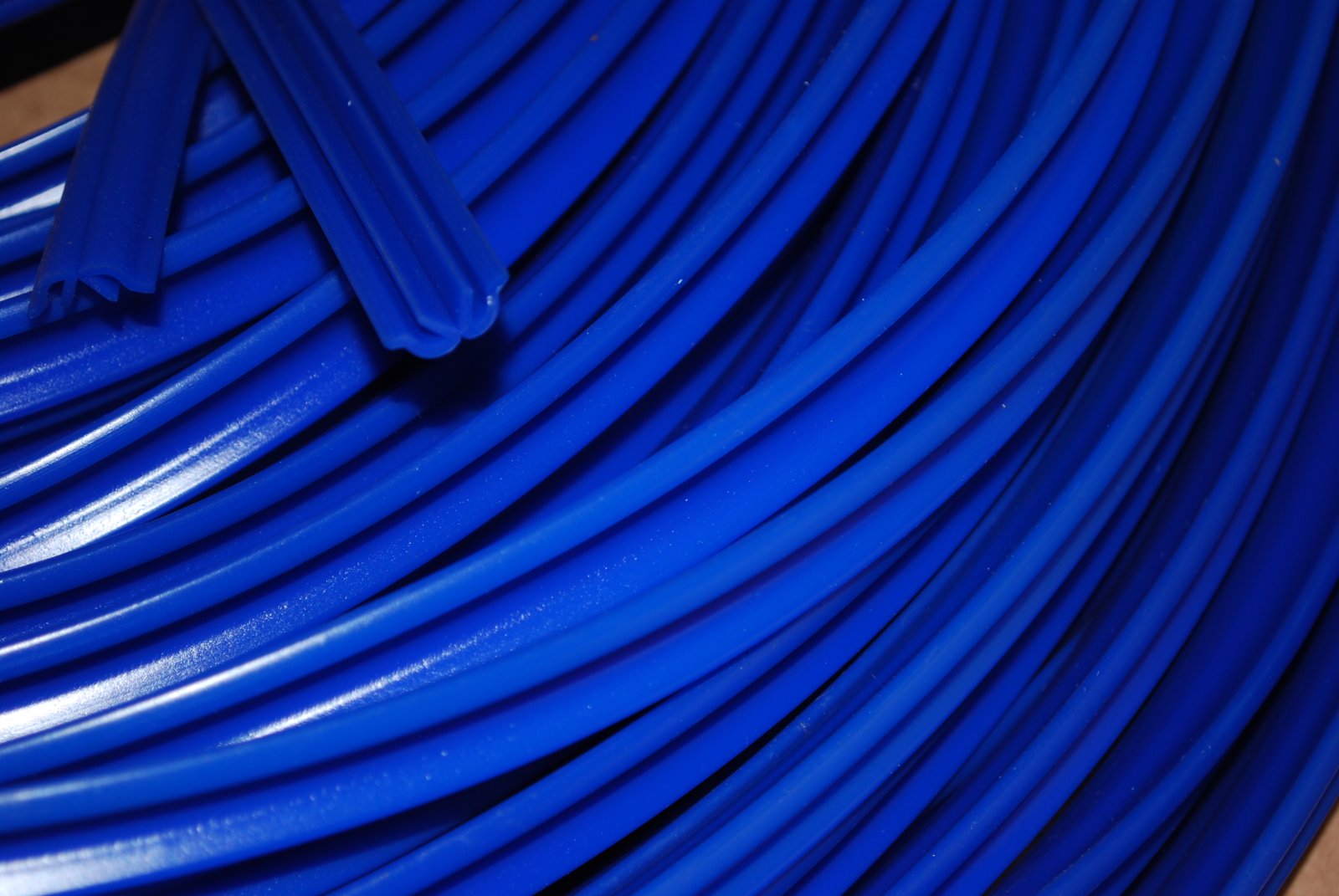
ADVANTAGES OF PLASTICS:
• Ease of machining and shaping
• Cost-effectiveness and an excellent cost–performance ratio
• Wide range of colours and aesthetic finishes
• Thermal, acoustic, electrical and mechanical (vibration) insulation
• High corrosion resistance and chemical stability
• Water repellency and low permeability
• Natural resistance to mould, fungi and bacteria
• Cost-effectiveness and an excellent cost–performance ratio
• Wide range of colours and aesthetic finishes
• Thermal, acoustic, electrical and mechanical (vibration) insulation
• High corrosion resistance and chemical stability
• Water repellency and low permeability
• Natural resistance to mould, fungi and bacteria
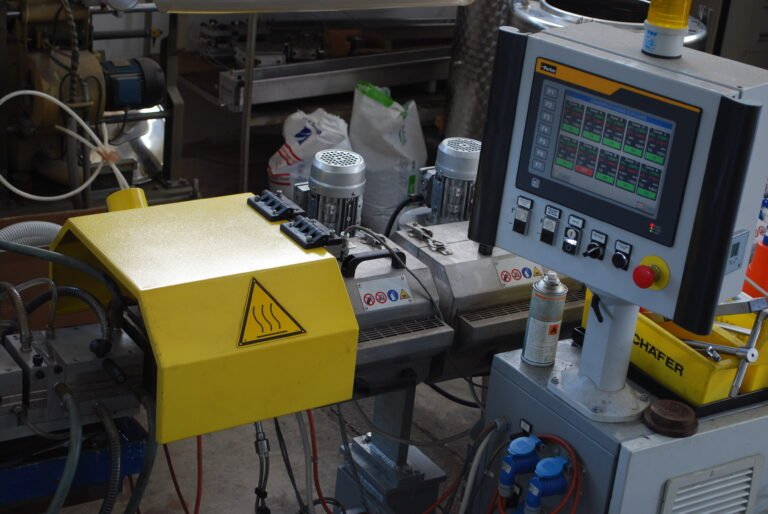
SECTORS OF APPLICATION
Our plastic profiles are designed for specific solutions in sectors such as:
• Construction and building fixtures
• Transport and automotive
• Lighting and LED components
• Commercial and industrial refrigeration
• Bathroom fixtures and shower enclosures
Thanks to the wide range of materials available, we can select the most suitable compound based on the required performance and the context of use. The technical specifications of each product are provided on request, according to the customer's requirements.
Below are the standard abbreviations used to identify our main plastics:
• ABS: Acrylonitrile Butadiene Styrene • PC: Polycarbonate
• PE: Polyethylene
• TPE: thermoplastic elastomer
• SEBS: Styrene–Ethylene–Butadiene Styrene
• PMMA: Polymethyl Methacrylate
• PP: Polypropylene
• PS: Polystyrene
• PVC: Polyvinyl chloride
• PVC: Hydrophilic
• PVCE: Expanded polyvinyl chloride
• PUR: Polyurethane
• Construction and building fixtures
• Transport and automotive
• Lighting and LED components
• Commercial and industrial refrigeration
• Bathroom fixtures and shower enclosures
Thanks to the wide range of materials available, we can select the most suitable compound based on the required performance and the context of use. The technical specifications of each product are provided on request, according to the customer's requirements.
Below are the standard abbreviations used to identify our main plastics:
• ABS: Acrylonitrile Butadiene Styrene • PC: Polycarbonate
• PE: Polyethylene
• TPE: thermoplastic elastomer
• SEBS: Styrene–Ethylene–Butadiene Styrene
• PMMA: Polymethyl Methacrylate
• PP: Polypropylene
• PS: Polystyrene
• PVC: Polyvinyl chloride
• PVC: Hydrophilic
• PVCE: Expanded polyvinyl chloride
• PUR: Polyurethane